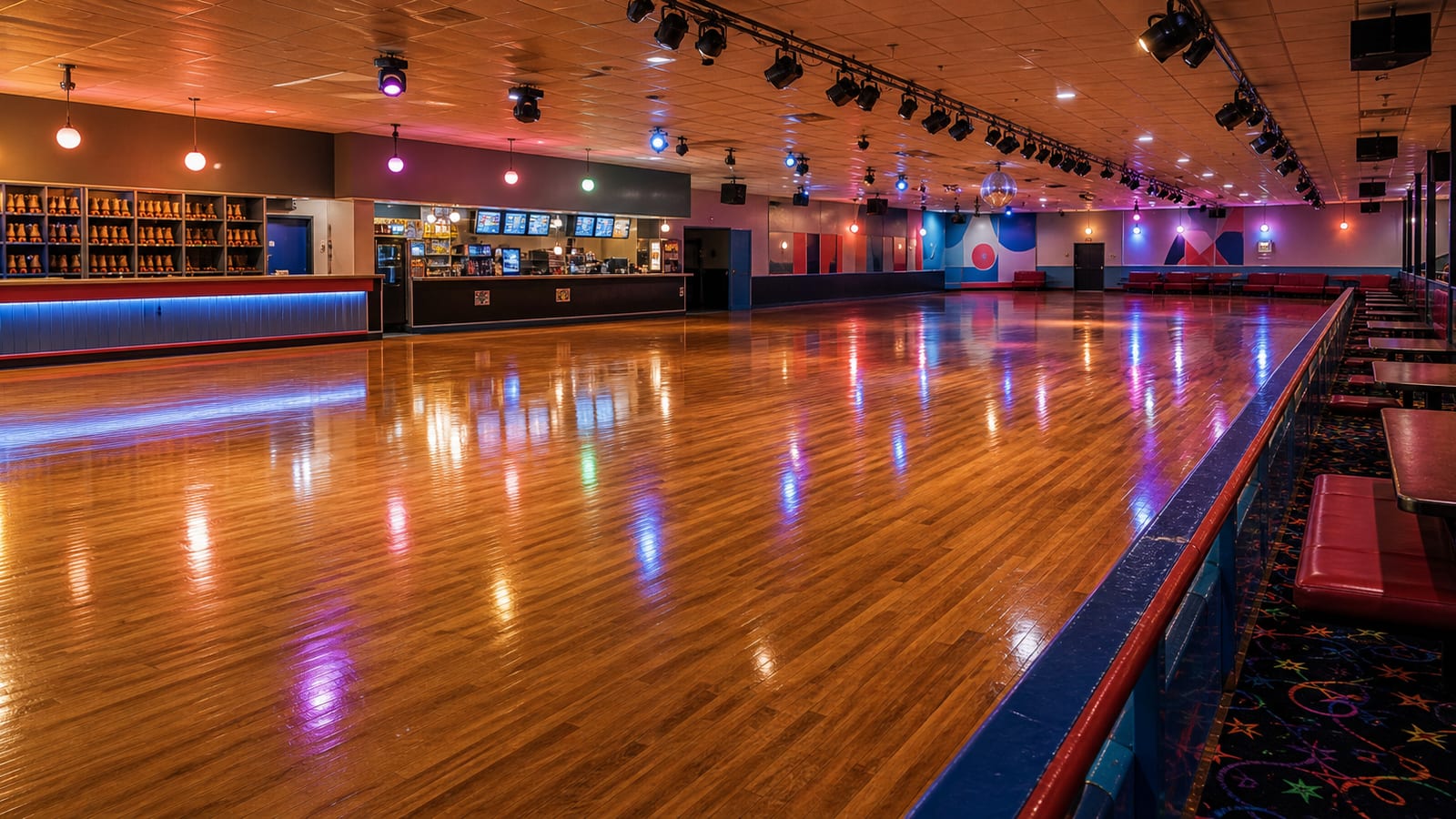
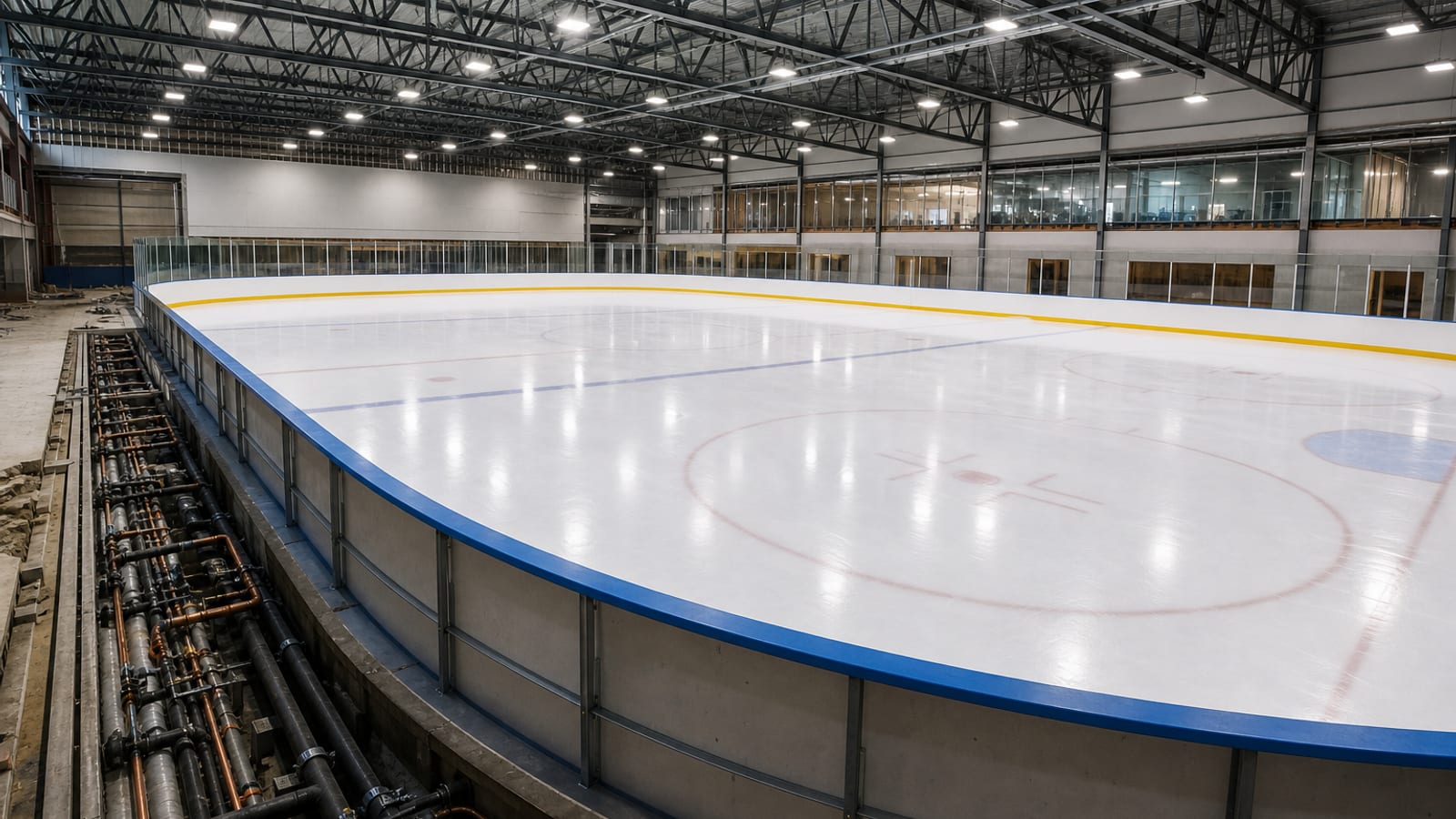
Skating Rink Business Plan: Sections & Outline
A practical outline for a skating rink business plan: sections, revenue streams, capital and operating costs, and verified industry sources to cite.
USA Skating Rinks Editorial Team
Updated May 29, 2026 · Editorial policy
In this guide
Scroll tables sideways to see all columns.
A skating rink business plan does the same job as any other operating-business plan: it forces the owner to answer how the facility will make money, what it will cost to open and run, and who will keep coming through the door. What makes the document specific to skating is the physical plant — a sheet of ice or a wood/synthetic skate floor — and a revenue mix that leans heavily on session admissions, rentals, lessons, parties, and concessions. The outline below reflects the structure recommended by industry guides and trade associations.
Standard Sections in a Skating Rink Business Plan
Most rink-specific templates and guides converge on roughly the same nine to ten sections. The Glice ice-rink guide groups them as Introduction, Market Research and Analysis, Business Model & Operations, Financial Projections and Funding, Marketing and Sales Strategy, Risk Assessment, and Sustainable Practices. Sports Venue Calculator’s ice-rink outline adds explicit sections for Pricing Strategy, Seasonality & Scheduling, and Funding Strategy. Roller-rink guides from ROLLER software and Growthink use similar headings adapted to a roller floor.
A defensible outline:
- Executive summary
- Company and concept overview (ice, roller, or hybrid; indoor vs. outdoor)
- Industry and market analysis
- Customer and demographic analysis
- Products and services (sessions, rentals, lessons, parties, leagues, pro shop)
- Revenue model and pricing strategy
- Operations plan (staffing, maintenance, safety, seasonality)
- Marketing and sales strategy
- Management team
- Financial plan (capital costs, operating costs, projections, funding ask)
Market Analysis: Sizing the Opportunity
The market-analysis section should pull from published industry data rather than guesses. ROLLER’s 2026 guide cites a global roller-skating market valued at roughly $4.8 billion in 2024, projected to grow to about $7.9 billion by 2032 at around 6.2% annually. On the ice side, the Roller Skating Association International (RSA) — founded in 1937 — is the trade body for roller specifically, while ice operators typically look to the U.S. Ice Rink Association and regional governing bodies.
Local analysis matters more than global figures. The section should define the trade-area population, household income, distance to competing rinks, school and youth-sport density, and whether the area is underserved (a common qualitative test is one rink per 50,000–100,000 people, though this varies). For broader directory context, see the skating rinks directory or browse a state example like Michigan roller rinks.
Revenue Model
Industry guides consistently identify the same revenue streams. The Sports Venue Calculator ice-rink guide lists public skating sessions, hockey leagues, ice rentals, skating lessons, private events, concessions, pro shop sales, advertising space, and corporate sponsorships. The ROLLER roller-rink guide lists entry/ticket fees, skate rentals, birthday party bookings, memberships, food and beverage, and retail.
A typical mix:
| Stream | Notes |
|---|---|
| Public sessions | Admission plus rental skates; weekend and after-school peaks |
| Private rentals | Hockey teams, figure-skating clubs, broomball, corporate buyouts |
| Lessons and programs | Learn-to-skate, hockey clinics, derby practice |
| Parties and events | Packaged birthday bookings; often a high-margin line |
| Food and beverage | Concession stand or full snack bar |
| Pro shop and retail | Skates, laces, guards, apparel |
| Sponsorship and advertising | Dasher boards, scoreboard, Zamboni wraps |
Capital and Operating Costs
Cost figures vary widely by region and scope. ROLLER’s guide estimates total investment of roughly $500,000 to $1.5 million to open a roller rink, covering property, floor installation, renovations, permits, equipment, technology, and marketing, and recommends a minimum facility size of about 17,000 square feet. The same guide cites established-rink profit margins in the 20–35% range after rent, payroll, and utilities.
For ice, Glice’s guide cites traditional 200 m² rink installation in the €100,000–€120,000 range (roughly $108,000–$129,000) with Zamboni-style ice resurfacers starting around $10,000, while a comparable synthetic-ice install runs around €65,000 (about $70,000) with reported maintenance costs more than 50% lower than conventional ice. Larger full-size NHL-style sheets (200 ft × 85 ft) carry materially higher refrigeration and construction costs; the Sports Venue Calculator example references roughly €350,000 for refrigeration alone within a multi-million-euro build.
Operating-cost categories to model:
- Staff wages (managers, front desk, skate guards, snack bar, maintenance)
- Utilities (refrigeration for ice; lighting, HVAC, water)
- Floor or ice maintenance and resurfacing
- Insurance (general liability and participant coverage)
- Skate inventory replacement and sharpening
- Marketing and software/POS subscriptions
Operations, Seasonality, and Risk
Skating demand is seasonal and weather-sensitive. The Sports Venue Calculator outline calls out seasonality and scheduling as its own section for good reason — summer slumps at outdoor and unconditioned rinks, school-year peaks for youth programs, and holiday-week spikes all shape the staffing calendar. The plan should describe how ice will be maintained or how a wood/sport-court floor will be cleaned and refinished, plus safety protocols, emergency procedures, and required permits.
Funding and Industry Resources
The financial plan should match the capital ask to a credible source list: SBA loans, conventional commercial loans, equipment financing for refrigeration plants or resurfacers, municipal partnerships for community rinks, and private equity for family-entertainment-center concepts. The RSA’s Future Rink Owner program provides a roughly 500-page guidebook, supplier directories, weekly Zoom calls, and access to Rinksider Magazine, which is useful primary material to cite in the appendix.
FAQ
What sections are required in a skating rink business plan?
There is no single legally required format, but lender-ready plans almost always include an executive summary, market analysis, products and services, marketing plan, operations plan, management team, and financial projections. Rink-specific guides from ROLLER, Glice, and Sports Venue Calculator add pricing strategy, seasonality, and capital-cost breakdowns tailored to a rink’s physical plant.
How much does it cost to open a skating rink?
Published estimates vary by scope and region. ROLLER’s guide puts a roller-rink build at roughly $500,000 to $1.5 million. Glice cites traditional 200 m² ice installations at roughly $108,000–$129,000, with synthetic ice meaningfully cheaper. Full-size competition ice sheets with refrigeration plants and resurfacers run into the millions.
What are the main revenue streams for a skating rink?
Admissions, skate rentals, lessons and programs, private ice or floor rentals, birthday parties, food and beverage, pro shop sales, and sponsorship or advertising. Industry guides from ROLLER and Sports Venue Calculator list these same categories for both roller and ice operations.
Sources
- How To Open a Roller Skating Rink: Costs and Business Plans (ROLLER) — startup cost range, market size figures, profit margin range, minimum facility size, revenue stream list
- 9 Tips on Drafting an Ice Rink Business Plan (Sports Venue Calculator) — nine-section ice-rink outline, revenue streams, capital cost example, operating cost categories
- Ice Rink Business Plan: Cost, Considerations & Tips (Glice) — traditional vs. synthetic ice install costs, business plan sections, Zamboni cost reference
- Future Rink Owner (Roller Skating Association International) — RSA guidebook, supplier directory, founding date, and member resources
- Skating Rink Business Plan Template & Help (Growthink) — standard nine-section business plan structure