How to Start a Skating Rink Business
A practical, sourced guide to starting a skating rink business — covering costs, facility requirements, refrigeration, insurance, and revenue streams.
USA Skating Rinks Editorial Team
Updated May 29, 2026 · Editorial policy
Opening a skating rink is a capital-intensive hospitality business that combines real estate, refrigeration or specialty flooring, food service, and entertainment programming under one roof. The path differs significantly depending on whether the venue is a roller rink, a traditional ice rink, or a synthetic-ice facility — but the foundational steps (market research, financing, facility build-out, licensing, insurance, and launch marketing) are similar across all three.
This guide outlines what aspiring operators should expect, drawing on data from the Roller Skating Association International (RSA), the industry software platform ROLLER, and refrigeration and synthetic-ice manufacturers.
Choose the Type of Rink
The first decision is format, because it drives nearly every cost line below it.
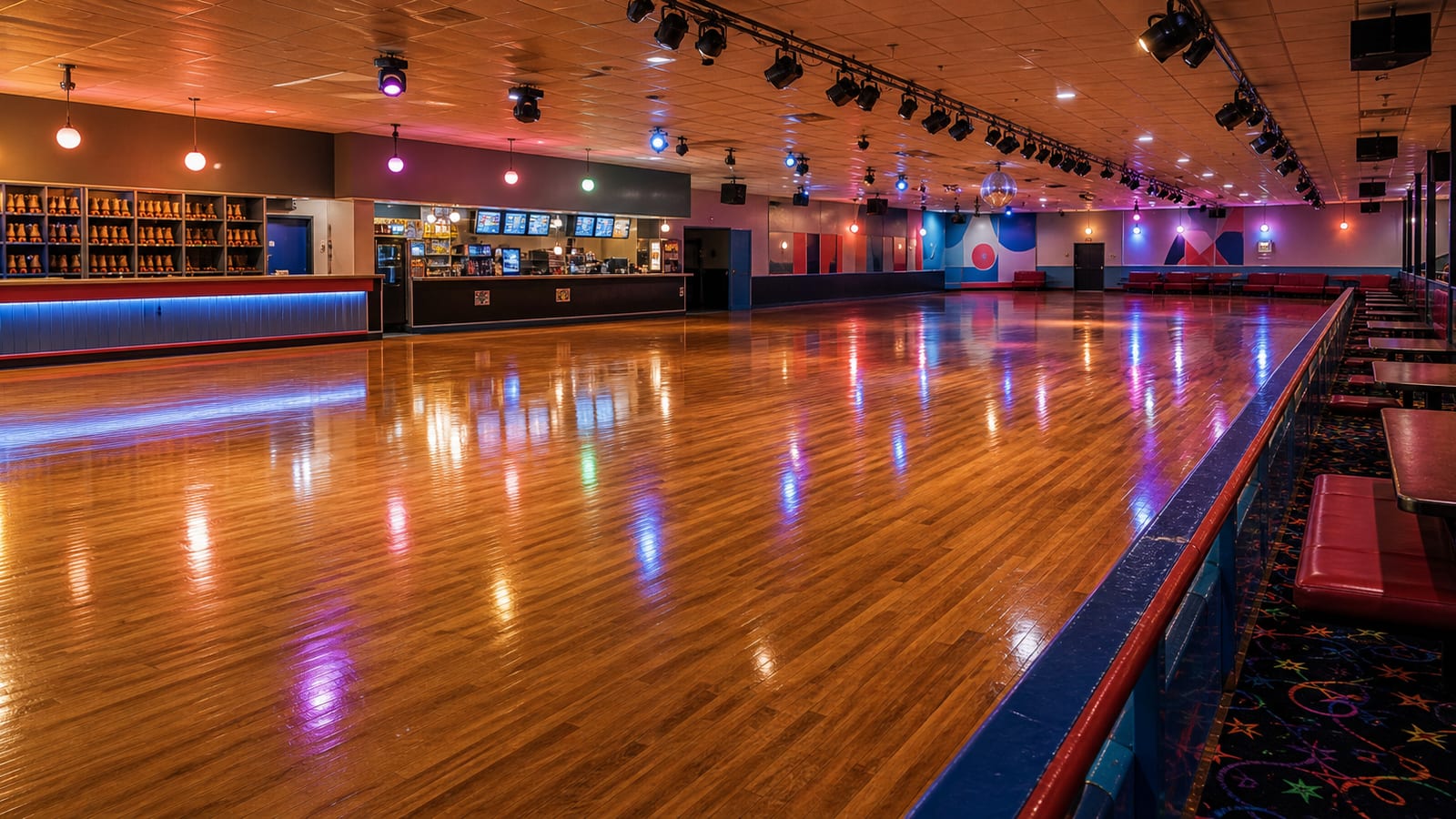
- Roller rink (hardwood, sport tile, or coated concrete): Lower utility costs than ice, simpler year-round operation, no refrigeration system.
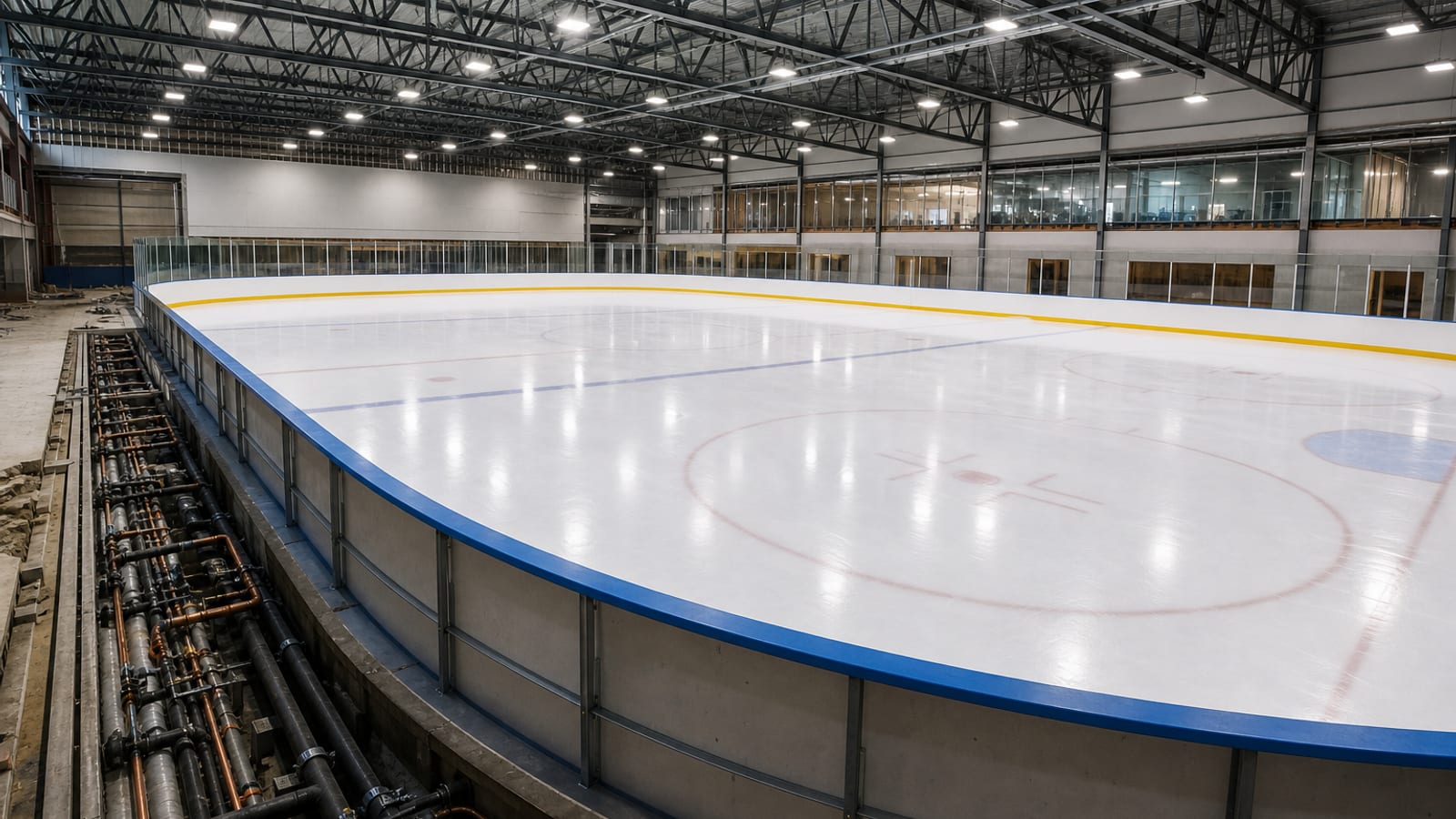
- Traditional ice rink: Higher build cost driven by the refrigeration plant, but a strong fit in hockey- and figure-skating-active markets.
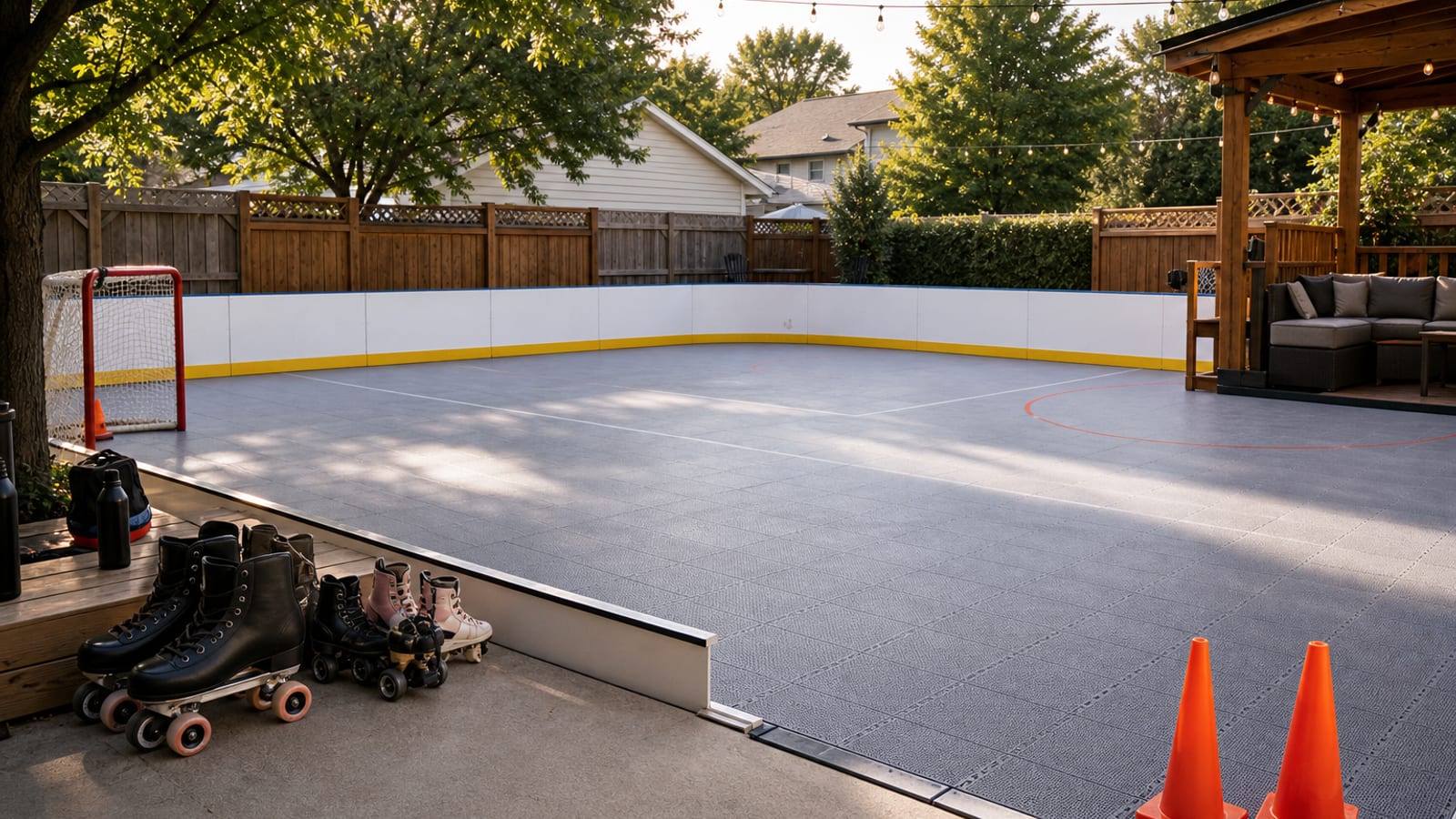
- Synthetic ice rink: Significantly lower capital outlay because the refrigeration system is eliminated; per ROLLER’s industry guide, synthetic ice startup investment can range roughly from $14,000 to $400,000 depending on size, versus $3.6 million and up for a traditional indoor ice facility.
If you are surveying existing operators for benchmarking, our skating rinks directory and the Florida roller rink listings are a useful starting point for understanding format, programming, and regional density.
Understand the Startup Budget
Costs vary widely with location, building condition, and rink size, but published industry ranges give a workable planning envelope.
| Item | Typical range |
|---|---|
| Roller skating rink, total startup | $500,000 – $1.5 million |
| Traditional indoor ice rink, total | $3.6 million – $9 million+ |
| Refrigeration plant (ice) | $250,000 – $700,000 |
| Concrete slab + cooling piping | $150,000 – $400,000 |
| Dasher boards + protective glass | $100,000 – $250,000 |
| Ice resurfacer (Zamboni-type) | $10,000 used – $250,000 new |
| Synthetic ice, per square foot | $25 – $55 |
Sources: ROLLER’s Open a Roller Skating Rink and Ice Rink Business Guide.
For a roller rink, ROLLER recommends a minimum facility footprint of around 17,000 square feet to accommodate the skating surface, entry, concessions and kitchen, party rooms, and back-of-house space.
Pick a Location and Secure the Building
Land and construction for a traditional ice rink typically run $250–$400 per square foot, according to ROLLER. Whether building new or retrofitting an existing structure (former big-box retail, warehouse, or light-industrial space), the site needs:
- Adequate ceiling height for boards, netting, and HVAC.
- Three-phase electrical service capable of supporting refrigeration loads on ice projects.
- Zoning that permits assembly and food service.
- Parking ratios that satisfy local code for the expected occupancy.
Local building permits, certificate of occupancy, and health permits for concessions must all be cleared before opening.
Build Out the Skating Surface and Core Systems
For ice operations, two refrigeration approaches dominate: direct systems, where refrigerant flows beneath the slab, and indirect systems that circulate a secondary fluid such as glycol. Indirect systems are generally easier to maintain and reduce certain safety risks, while direct systems can be more thermally efficient.
For roller rinks, the floor itself is the largest single buildout line. Common surfaces include maple hardwood, polymer-coated concrete, and modular sport tile.
Other core equipment to plan for:
- Sound and lighting (DJ booth, intelligent fixtures, speakers covering the skating surface).
- Skate inventory in a full range of youth and adult sizes, plus racks, laces, wheels, bearings, and maintenance tools.
- POS, online booking, and waiver software.
- Concessions kitchen equipment and a small pro shop or merchandise area.
Plan Revenue Streams Early
ROLLER’s ice rink guide identifies the primary revenue lines that healthy skating facilities lean on:
- Public skating sessions and skate rentals.
- Hockey or roller-derby leagues and ice/floor rentals.
- Lessons and learn-to-skate programs.
- Memberships and season passes.
- Birthday parties and private group events.
- Concessions and pro-shop sales.
ROLLER cites internal data showing members generate substantially more visits per year than non-members, which is why most operators build a tiered membership offering from day one.
Insurance, Licensing, and Risk Management
Skating venues are higher-risk than most retail businesses because of fall injuries, food service, and youth programming. Required coverage typically includes general liability, property, workers’ compensation, and often participant accident coverage. The Roller Skating Association International offers member-only purchasing programs and connects new operators with insurance carriers familiar with the rink risk profile.
RSA membership also provides access to Rinksider Magazine, weekly operator Zoom meetings, the annual convention and trade show, the Sk8 Expo in Florida, and a “Future Rink Owner” category designed for people who have not yet opened.
Hire and Train Staff Before Opening
A launch-ready staffing plan generally includes a general manager, admissions and rentals staff, skate guards or floor guards, instructors, concessions team, and a maintenance lead. For ice facilities, that maintenance role usually includes a trained resurfacer operator. Safety training, emergency procedures, and food-handler certifications should all be complete before the soft opening.
Launch in Phases
A typical opening sequence:
- Final inspections and certificate of occupancy.
- Staff training and dry-run operations.
- Friends-and-family soft opening.
- Public grand opening with paid local marketing and community partnerships (schools, youth leagues, parks departments).
Phasing the launch lets the team work out POS, skate rental flow, and session scheduling before the venue is fully exposed to weekend volume.
FAQ
How much does it cost to start a skating rink?
Published industry ranges put a roller rink at roughly $500,000 to $1.5 million, while a traditional indoor ice rink commonly runs $3.6 million to over $9 million. Synthetic-ice facilities can come in significantly lower because no refrigeration plant is required.
Is a roller rink or an ice rink more profitable?
Both can be profitable, but they have different cost profiles. Roller rinks avoid the largest single ice-rink cost — the refrigeration plant — while ice rinks can capture higher per-hour rental rates from hockey and figure skating. ROLLER’s roller-rink guide cites typical operating margins of 20–35% after expenses.
Do I need to join the Roller Skating Association?
Membership is not legally required, but RSA is the industry’s primary trade body and offers a “Future Rink Owner” track, mentorship access, purchasing discounts, and education through its convention, Sk8 Expo, and weekly operator calls — resources that are difficult to replicate independently.
Sources
- How To Open a Roller Skating Rink: Costs and Business Plans — ROLLER — roller rink startup cost range ($500K–$1.5M), 17,000 sq ft minimum, 20–35% margins, build-out categories.
- Ice Rink Business Guide — ROLLER — ice rink total investment ($3.6M–$9M+), refrigeration plant cost, dasher board cost, Zamboni pricing, synthetic ice cost range, revenue streams, staffing checklist, member-visit data.
- Roller Skating Association International — RSA membership benefits, Future Rink Owner category, Rinksider Magazine, annual convention, Sk8 Expo, weekly Zoom meetings, mentorship and insurance program access.