How to Open a Skating Rink
A research-backed guide to opening a skating rink: feasibility, startup costs, ice vs. roller vs. synthetic, licensing, insurance, and operations.
USA Skating Rinks Editorial Team
Updated May 29, 2026 · Editorial policy
Opening a skating rink is a capital-intensive recreation business that mixes real estate, refrigeration or specialty flooring, music licensing, and tightly regulated public-assembly operations. This guide outlines the major decisions and benchmarks an aspiring operator needs to plan around, drawing on industry-association guidance and manufacturer documentation. For local context on existing operators, you can browse the skating rinks directory or look at active markets like California roller rinks.
Step 1: Pick the Rink Type
The first decision is what kind of rink you are building, because it drives almost every downstream cost.
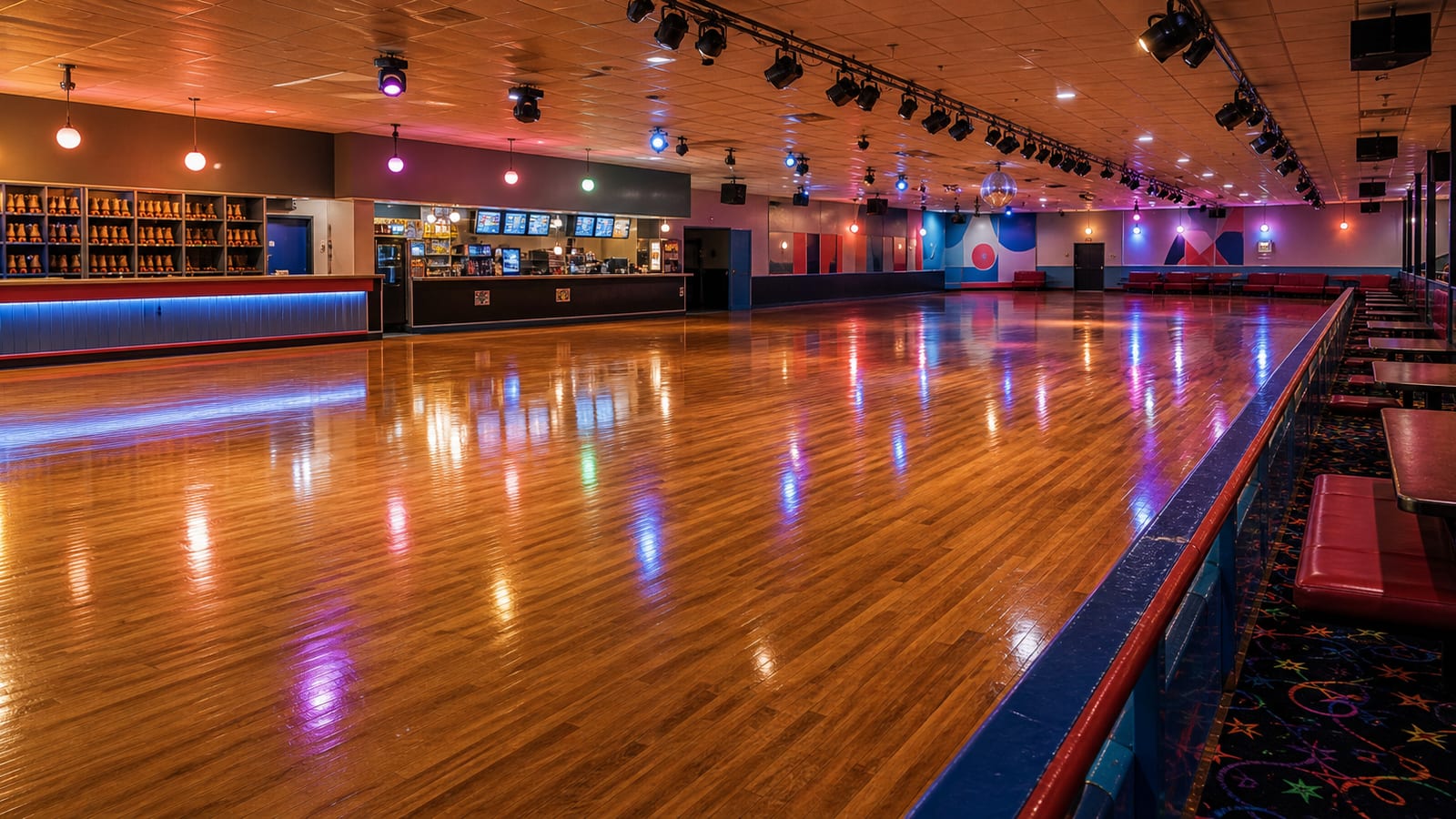
- Roller rink. The Roller Skating Association International (RSA), the industry’s trade association since 1937, recommends northern hard maple as the “gold standard” floor for roller skating, paired with proper subfloors, vapor barriers, and annual recoating.
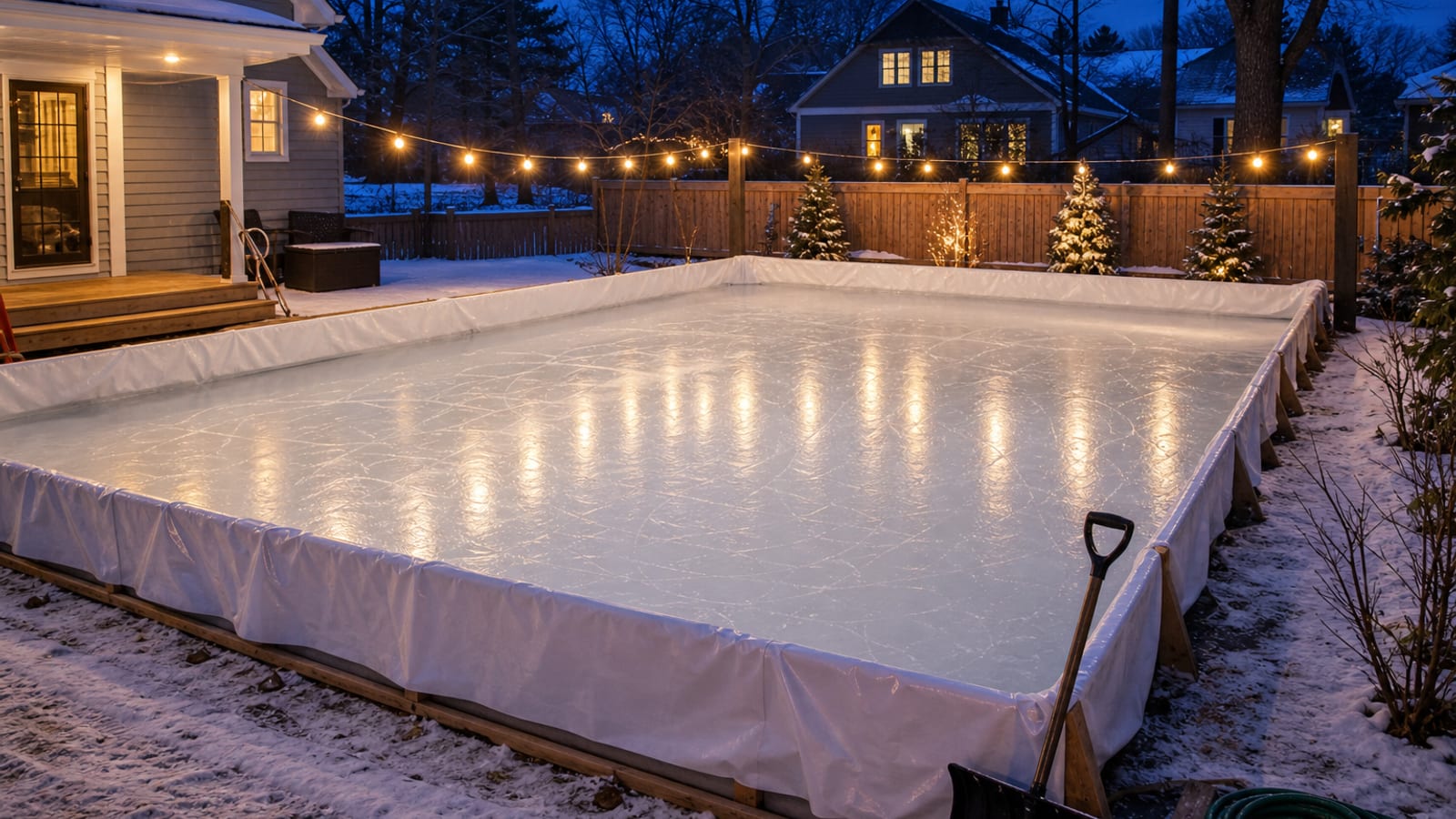
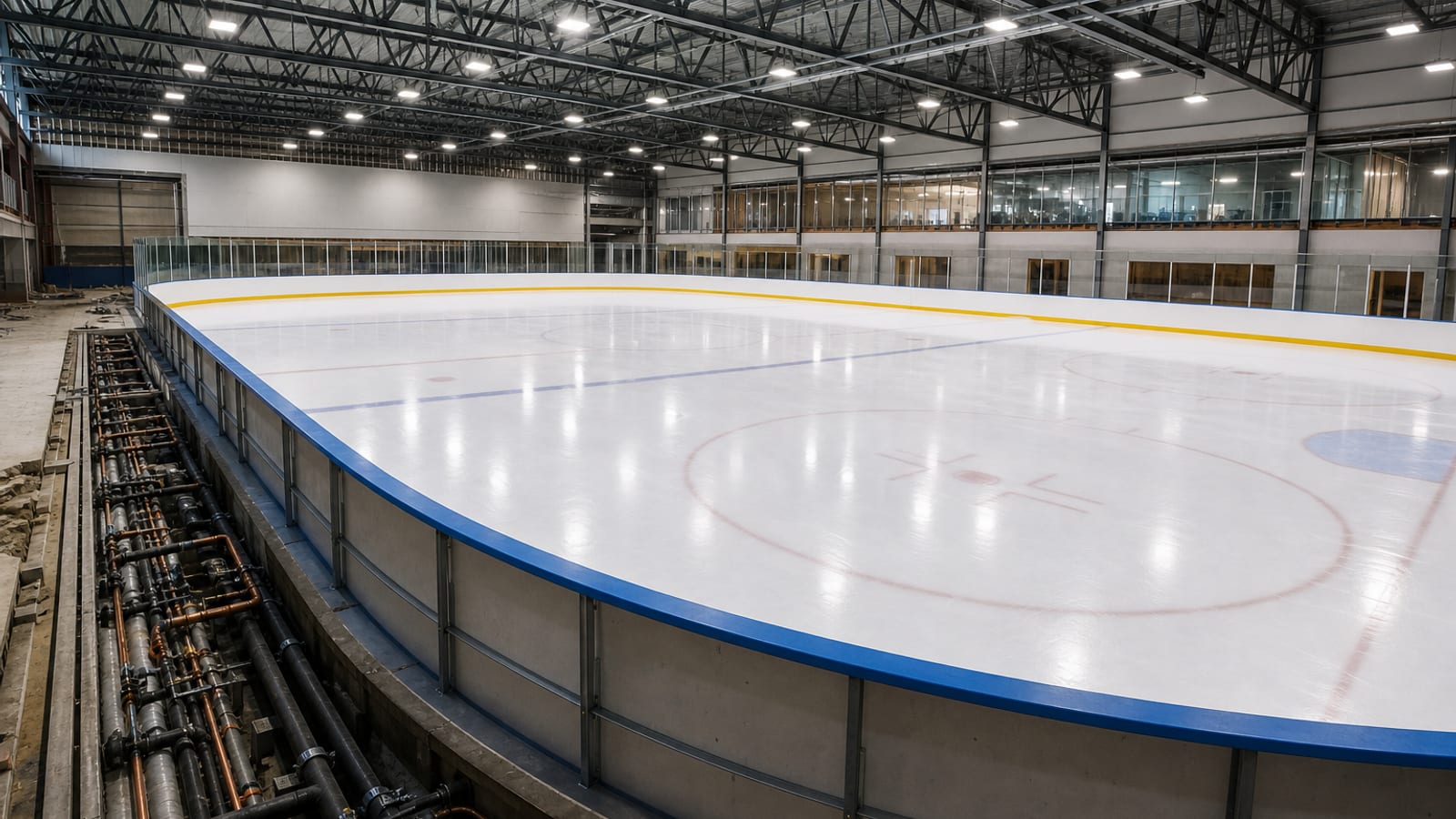
- Refrigerated ice rink. Requires a chiller plant, dasher boards, and an ice resurfacer. Industry guides put the refrigeration plant and ice surface system at roughly $500,000 to $1.5 million on its own.
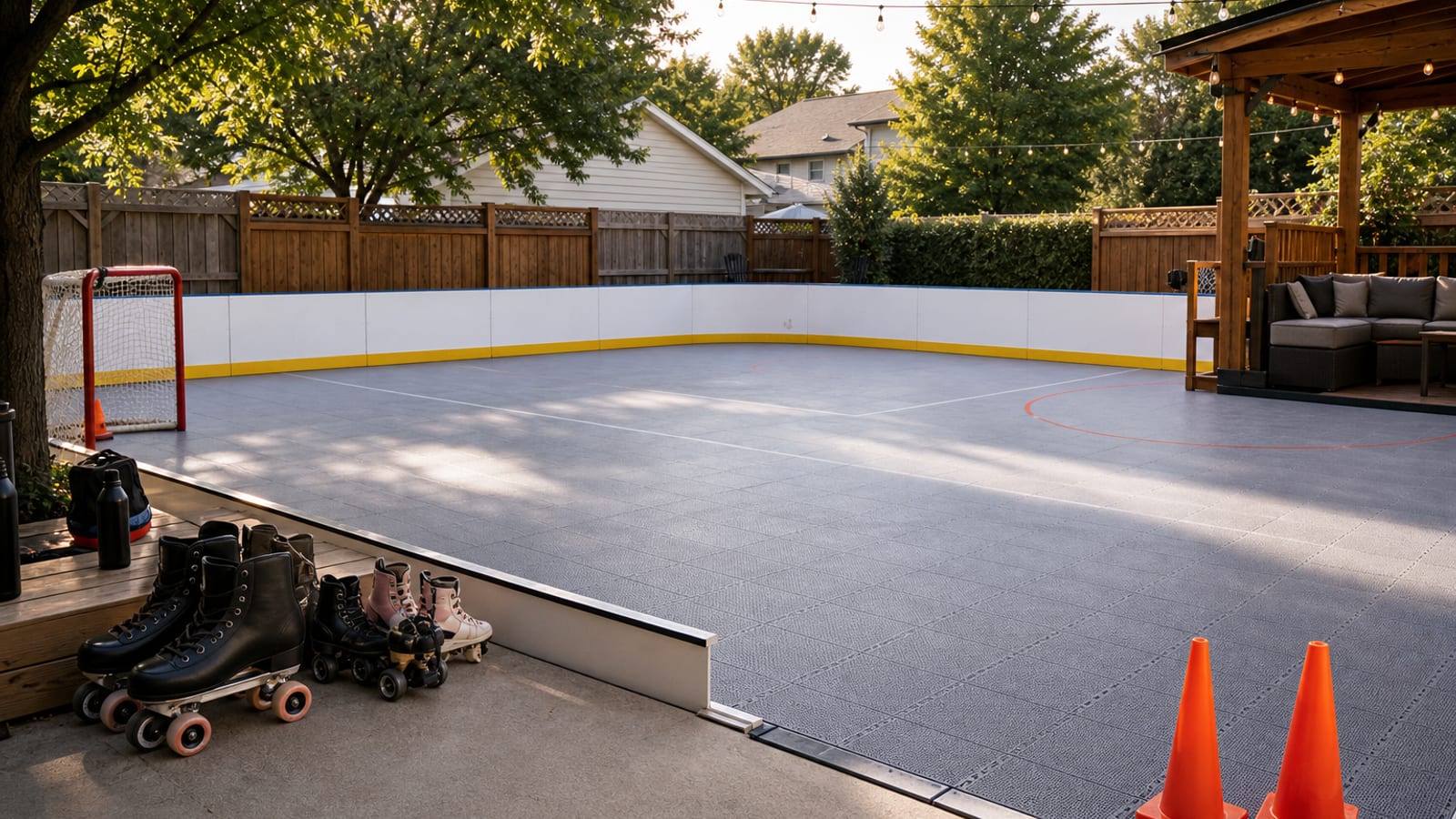
- Synthetic ice rink. Glice and Xtraice manufacture interlocking polymer panels that skate on real ice blades without refrigeration. Glice publishes home panel pricing at about $64.69 per 2x2 ft sheet (roughly $16/sq ft) and commercial 6.5 x 3.2 ft panels at $450 each.
Synthetic ice eliminates refrigeration capex and the ongoing electricity cost of running a chiller, which Glice estimates at around 9,600 kWh per month for a 200 m² rink.
Step 2: Run a Feasibility Study
The RSA advises analyzing a 10–20 minute drive-time trade area, including demographics, household income, youth density, and competing venues, using free U.S. Census tools. Lenders, particularly under SBA programs, typically want to see a debt service coverage ratio around 1.25x, meaning projected cash flow exceeds annual debt service by at least 25%.
Step 3: Budget Realistically
Published industry estimates put a typical roller rink build in the $500,000 to $1.5 million range, while a full ice facility can run substantially higher once refrigeration and the resurfacer are included.
| Cost Item | Typical Range (USD) | Source |
|---|---|---|
| Total roller rink build | $500K – $1.5M | ROLLER software industry guide |
| Refrigeration / ice surface system | $500K – $1.5M | Ice rink startup cost guides |
| Ice resurfacer (Zamboni-class) | ~$100K – $160K | Ice rink startup cost guides |
| Dasher boards (set) | $60K – $150K | Ice rink startup cost guides |
| Rental skate inventory (300–500 pairs) | $18K – $50K | Ice rink startup cost guides |
| Synthetic ice panels | ~$16+/sq ft (residential grade) | Glice published pricing |
Minimum recommended building footprint for a roller facility is around 17,000 sq ft to fit entry, rink surface, concessions, party rooms, and storage.
Step 4: Zoning, Permits, and Life Safety
Skating rinks generally fall under amusement, recreation, or assembly zoning. The RSA notes that parking minimums often require roughly one space per 100–120 sq ft of rink area, plus capacity for spectators. Buildings must meet NFPA 101 Life Safety Code and the International Building Code for exits, egress lighting, accessibility (ADA), and emergency systems. Engaging an architect early to map out a compliance checklist is standard advice.
A typical permitting roadmap looks like:
- Pre-application meeting with the local planning department
- Plan submission and review
- Fire marshal and health department coordination
- Music license procurement (30–60 days before opening)
- Insurance binding
- Soft opening / inspections
Step 5: Music Licensing
A rink that plays recorded music to the public must license from multiple performing rights organizations. The RSA specifies that operators need coverage from ASCAP, BMI, SESAC, and Global Music Rights — no single license covers every artist. RSA collects annual fees for three of them; SESAC is paid directly.
Step 6: Insurance
A skating rink is a high-touch, high-injury-risk venue, so insurance is non-trivial. The RSA recommends carrying general liability, property, business interruption, workers’ compensation, equipment breakdown, umbrella, and cyber coverage. Maintaining documented floor care logs and skate inspection records supports lower premiums and stronger defense in claims.
Step 7: Operations and Revenue Mix
Successful rinks rarely rely on public sessions alone. The RSA’s published guidance encourages diversified revenue: public skate sessions, private rentals, birthday parties, lessons and learn-to-skate programs, retail, and food and beverage. Written SOPs covering floor maintenance, skate inspection cycles, staffing ratios, incident reporting, and opening/closing checklists are expected by both lenders and insurers.
FAQ
How much does it cost to open a skating rink?
Industry guides estimate roughly $500,000 to $1.5 million for a roller rink, with refrigerated ice facilities typically running higher once the chiller plant, dasher boards, and resurfacer are added.
Do I need to license music for a skating rink?
Yes. The RSA states that rinks must hold licenses with ASCAP, BMI, SESAC, and Global Music Rights to legally play recorded music to the public.
Is synthetic ice a viable alternative to a refrigerated rink?
For many operators, yes. Glice and Xtraice publish commercial-grade synthetic ice systems that skate with steel blades and eliminate the refrigeration plant, lowering both capex and ongoing electricity costs.
Sources
- 10 Things You Need to Know When Opening Your Own Skating Rink — RSA — feasibility study scope, parking ratios, maple flooring, music licensing across ASCAP/BMI/SESAC/GMR, insurance mix, DSCR benchmark.
- Future Rink Owner — Roller Skating Association — RSA’s role as the industry trade association and educational resources for new operators.
- How To Open a Roller Skating Rink — ROLLER Software — $500K–$1.5M build range, 17,000 sq ft minimum footprint, equipment categories, licensing list.
- How Much Does a Synthetic Ice Rink Cost? — Glice — published per-panel pricing for residential and commercial synthetic ice.
- Ice Skating Rink Startup Costs — Financial Models Lab — refrigeration plant, ice resurfacer, dasher boards, and rental-skate inventory cost ranges.