Roller Skating vs. Ice Skating: Which Is Easier?
Compare roller and ice skating for beginners: balance, stopping, rentals, clothing and lessons. Use the side-by-side guide to choose your first session.
USA Skating Rinks Editorial Team
Updated September 20, 2026 · Editorial policy
In this guide
Scroll tables sideways to see all columns.
Neither roller skating nor ice skating is easier for every beginner. Quad roller skates have two wheels side by side at the front and back; ice skates balance on a blade. Your first session also depends on the skate fit, instruction and how crowded the rink is. Choose the activity you want to learn, then look for a beginner lesson or a quieter public session.
If you want to play ice hockey or figure skate, start on ice. If you want to enjoy roller rink sessions, rhythm skating or roller derby, start on wheels. You do not need to master one before trying the other.
Roller Skating vs. Ice Skating at a Glance
| Question | Roller skating | Ice skating |
|---|---|---|
| What is under your feet? | Quad wheels in two pairs, or inline wheels in one row | A metal blade on each boot |
| Where do you skate? | A roller rink or suitable outdoor paved surface | A maintained ice surface |
| What feels unfamiliar? | Rolling without stepping, steering and managing speed | Gliding, controlling blade edges and managing speed |
| How do you stop? | Technique depends on quad or inline skates and the brakes fitted | Use a stopping technique taught for ice; there is no wheel brake |
| What do you wear? | Flexible clothes and socks above the boot | Flexible layers, gloves and suitable socks |
| Can you rent skates? | Check the rink’s available types, sizes and rental charge | Check available figure or hockey skates, sizes and rental charge |
| Which session should you book? | Beginner lessons or a public session suited to your group | Learn-to-skate lessons or public skating; check the session label |
For the differences between wheeled setups, see quad skates vs. inline skates.
Which Is Easier for Beginners?
The wider arrangement of quad wheels can feel reassuring when you first stand up, but the wheels can still roll out from under you. Ice blades and inline wheels have a different balance point. A reassuring first minute does not necessarily mean one activity will be easier to learn over several sessions.
Treat these as the useful questions when choosing a rink:
- Is there an instructor who teaches complete beginners?
- Can the rental counter help you find skates that fit?
- Is there a designated practice area or a quieter session?
- Will your group be able to take breaks without feeling rushed?
Avoid planning around a promise that everyone will skate independently in one visit. Set a smaller first goal: getting comfortable in the skates and learning how to start, slow down and stop with instruction.
Do Roller Skating Skills Transfer to Ice?
Some habits can help with either activity: looking ahead, bending your knees and managing your balance as you move. The equipment responds differently, so treat your first visit on the other surface as a new lesson.
Stopping deserves particular attention. A quad toe stop, an inline heel brake and an ice blade do different jobs. Figure-skate toe picks are not a substitute for a roller-skate brake. Ask an instructor to demonstrate a stop for your actual equipment before building speed.
For a structured start, Star Skate USA offers a roller skating learning program, and Learn to Skate USA provides ice skating programs. Check which instruction your local venue offers.
Which Costs Less?
Compare the total for the session you would actually attend. The rink type alone does not tell you the price.
| Add to your comparison | What to ask each venue |
|---|---|
| Admission | Is the listed price for the whole session or a timed entry? |
| Skate rental | Is it included, and do different skate types cost extra? |
| Lessons | Is practice time or skate rental included with the class? |
| Family visit | Are adults who supervise or watch charged admission? |
| Other costs | Is there paid parking, a booking fee or locker rental? |
Check current official prices before booking. Our guides to roller skating costs and ice skating costs explain the common charges to look for.
Clothing, Gear and Comfort
For either activity, wear clothes that allow movement and secure anything that could trail. Ice skating also calls for layers and gloves. Pack the protective equipment your activity and instructor call for, and check helmet and pad policies before arriving. See roller skating outfits or what to wear ice skating for a packing guide.
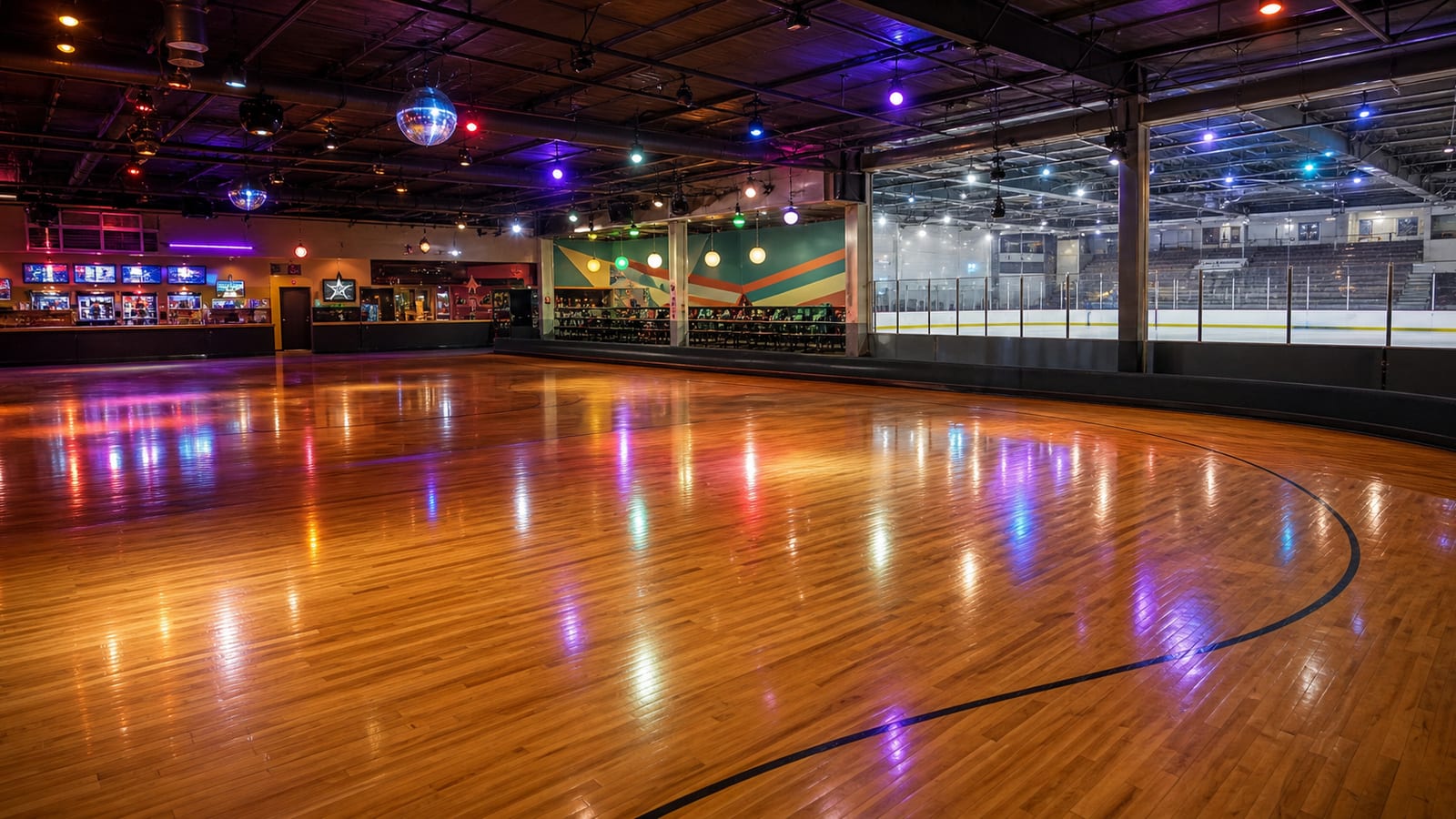
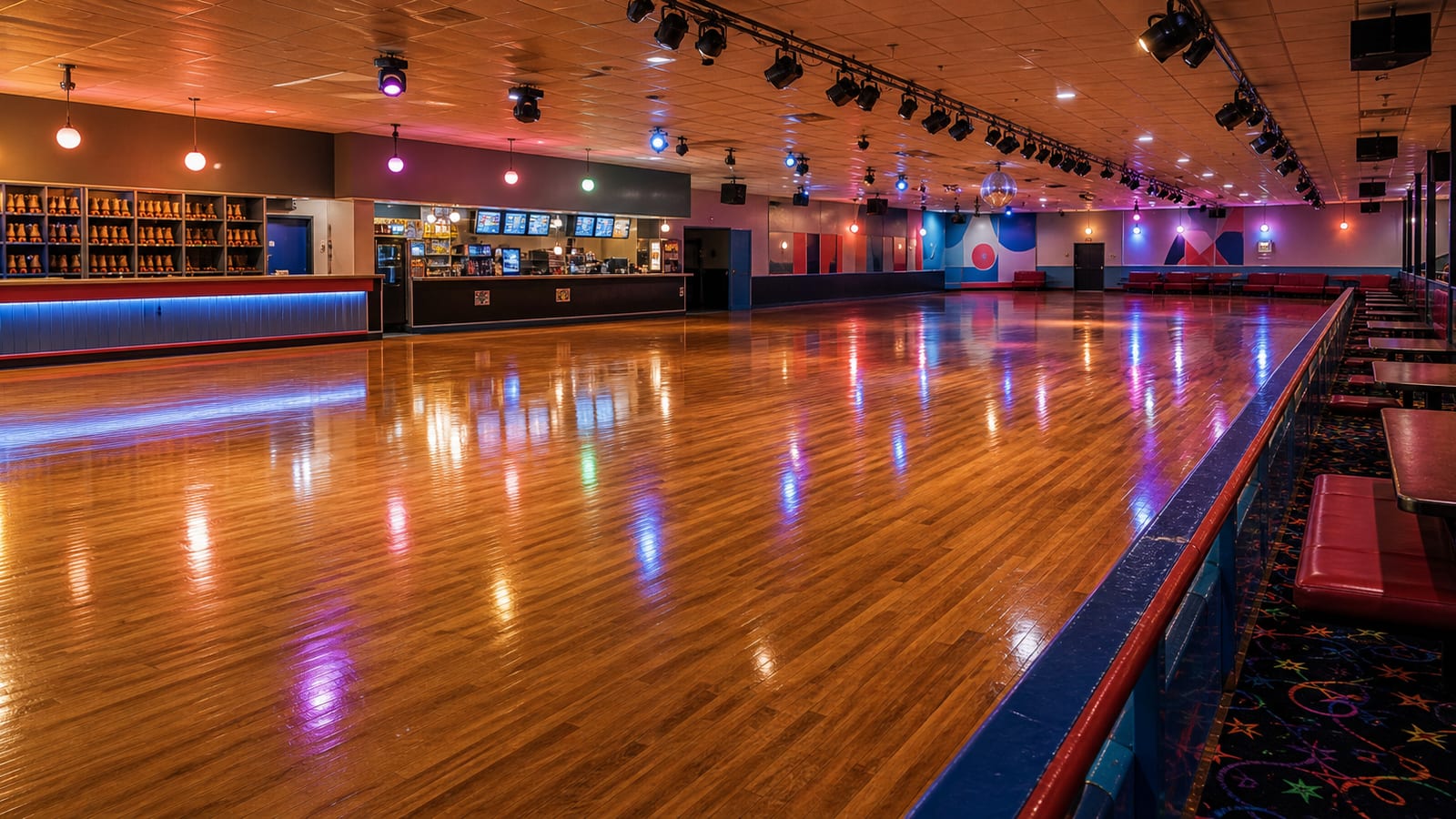
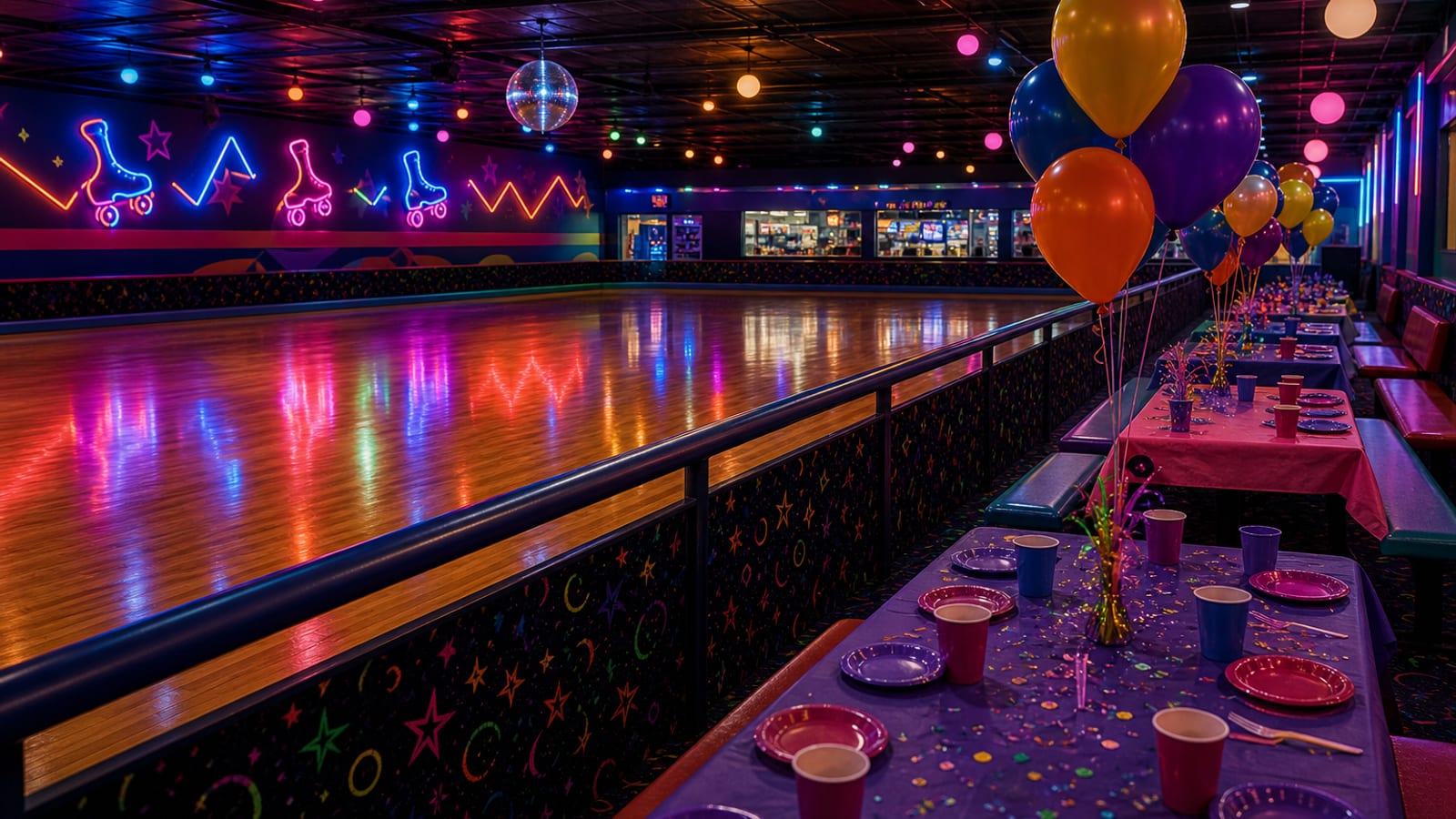
The session atmosphere is a venue choice, not a rule of the sport. Either rink can have music, themed events, families or busy crowds. A named beginner lesson tells you more about suitability than a photograph of an empty rink.
Which Should You Try First?
- Choose roller skating if wheels, rink music or a roller sport are what interest you.
- Choose ice skating if you want to learn figure skating, ice hockey or recreational ice skating.
- Choose the better beginner session if you are equally interested in both: compare instruction, rental fit, timing and travel.
- For a child, ask about the program’s age range and rental sizes before deciding. See our guide to skating with kids.
Find a rink near you and follow its official website link to check the next suitable session.
Frequently Asked Questions
Is roller skating easier than ice skating?
Some beginners prefer the feel of quad wheels, while others prefer ice blades. There is no universal easier choice. Skate fit, appropriate instruction and a suitable practice session all matter.
Can I ice skate if I already roller skate?
Your comfort with balance and movement may help, but blade control and stopping require practice. Begin slowly and get instruction for the unfamiliar equipment.
Should children learn roller skating before ice skating?
There is no need to learn them in that order. Choose an age-appropriate program for the activity the child wants to try, with properly fitted skates and suitable supervision.
Is roller skating cheaper than ice skating?
It depends on the venue and session. Compare admission plus rentals, booking fees and any lesson costs for your actual visit instead of assuming one type is always cheaper.